What's the deal with the electrical panels?
Why Insurance Companies Care About Your Electrical Panel in 2026
If you’ve applied for homeowners insurance recently, you may have seen a question like this:
“The electrical panel is not Federal Pacific, Zinsco/GTE Sylvania, or Challenger, and the system meets current building codes.”
A lot of homeowners pause here — and for good reason.
This isn’t just a random checkbox. It’s one of the biggest factors impacting whether a home is insurable today.
What’s Changed in the Insurance Market?
Over the past few years, insurance companies have become much more strict about property risk — especially in California.
With rising claim costs, wildfire exposure, and stricter underwriting standards, carriers are looking more closely at preventable losses. Electrical systems are near the top of that list.
Why?
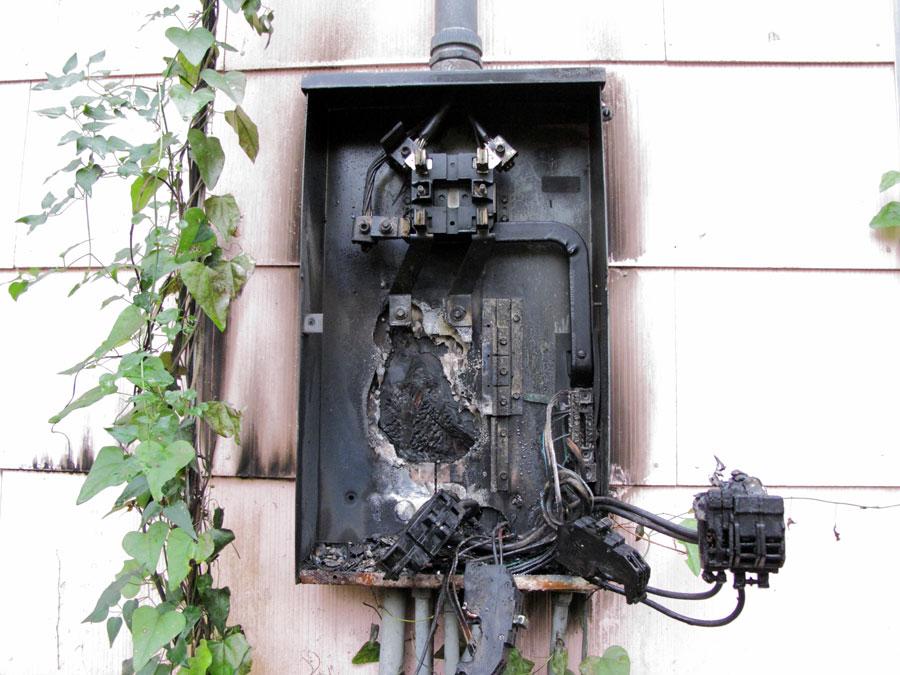
Because electrical issues are one of the leading causes of house fires — and many of those fires are tied to outdated or defective panels.
The Big Three Problem Panels
Federal Pacific Electric (FPE / Stab-Lok)
These are the most commonly flagged panels — and the most concerning.
Why insurers don’t like them:
Breakers often fail to trip during overloads
Can cause overheating and fire without warning
Known safety defects dating back decades
Many insurance carriers will decline coverage outright if this panel is present.
Zinsco / GTE Sylvania
These were widely installed in homes from the 1960s–1970s.
Known issues:
Breakers can melt onto the bus bar
May appear “on” but not actually function
Increased risk of arcing and electrical fires
Even if they look fine externally, the internal failure risk is what concerns carriers.
Challenger Panels
Less notorious than the others, but still flagged.
Concerns include:
Certain breakers were recalled for overheating
Higher likelihood of failure under load
Considered outdated by modern safety standards
Some carriers may still insure homes with Challenger panels — but many require replacement.
What About Knob and Tube Wiring?

Separate from panels, you may also hear about knob and tube wiring — typically found in homes built before the 1940s.
Why it’s an issue:
No grounding (major safety concern)
Insulation becomes brittle over time
Not designed for modern electrical loads
Often modified improperly over the years
Most carriers will:
Decline coverage, or
Require full replacement before binding
What Panels Are Considered Safe Today?
The good news — modern panels are far safer and widely accepted by insurance carriers.
Common approved brands include:
Square D (QO & Homeline)
Siemens
Eaton / Cutler-Hammer
Leviton (newer smart panels)
Why these are preferred:
Reliable breaker performance
Built to current safety standards
Designed for modern electrical demand
Easier for inspectors and carriers to approve
What This Means for Homeowners
If your home has one of the flagged panels or outdated wiring:
You may be declined by standard insurance companies
You could be pushed to the California FAIR Plan + wrap policy
You might be required to replace the panel before coverage is approved
And even if you currently have coverage, carriers are increasingly:
Requesting inspections
Issuing non-renewals
Requiring updates at renewal
The Bigger Picture
This isn’t about insurance companies being difficult — it’s about risk.
As the market tightens, carriers are focusing on things homeowners can control, like electrical systems, roofs, and plumbing.
Homes that are updated and well-maintained:
Have more carrier options
Qualify for better pricing
Experience fewer coverage issues
What Should You Do Next?
If you’re unsure what panel you have:
Check the label inside your electrical panel
Take a photo and send it to us
Or have a licensed electrician inspect it
We’ll help you understand:
Whether it’s an issue
What carriers will require
And your best path forward
Final Thought
The insurance market in California is changing quickly — and electrical systems are a major part of that shift.
If you’re proactive about updates now, you’ll have far more options than waiting until a carrier forces the issue.